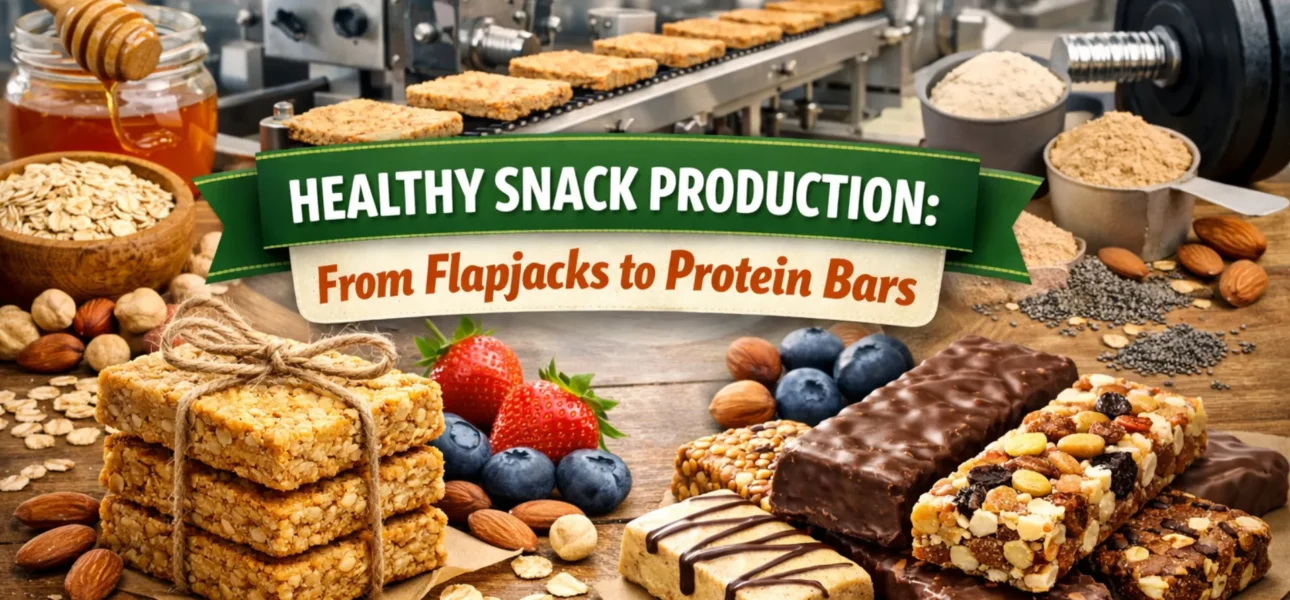
The global snack market is evolving rapidly as consumers seek convenient, nutritious, and functional options. Among the fastest-growing categories are flapjacks and protein bars, which combine energy, protein, and clean-label appeal. For food manufacturers, investing in modern production lines for these snacks opens up new opportunities in a competitive yet high-demand sector.
Flapjacks: Energy-Packed Oat Bars
Flapjacks are primarily oat-based bars made with natural sweeteners such as honey or syrup. They are considered energy snacks and are popular among children, adults, and anyone seeking wholesome, portable snacks.
Key highlights:
- Provides natural energy from oats and grains
- Simple, clean-label ingredients
- Flexible recipes for retail or private label production
Industrial flapjack production requires controlled mixing, forming, and baking or cooling to ensure consistent shape and texture.
Where the Name “Flapjack” Comes From
The term “flapjack” has a long history. Originally from the UK, it referred to a baked oat bar made with butter, sugar, and syrup. Over time, it became synonymous with energy-packed cereal bars, distinct from pancakes (which are also called flapjacks in the UK and other countries).
Protein Bars: Functional Nutrition in Every Bite
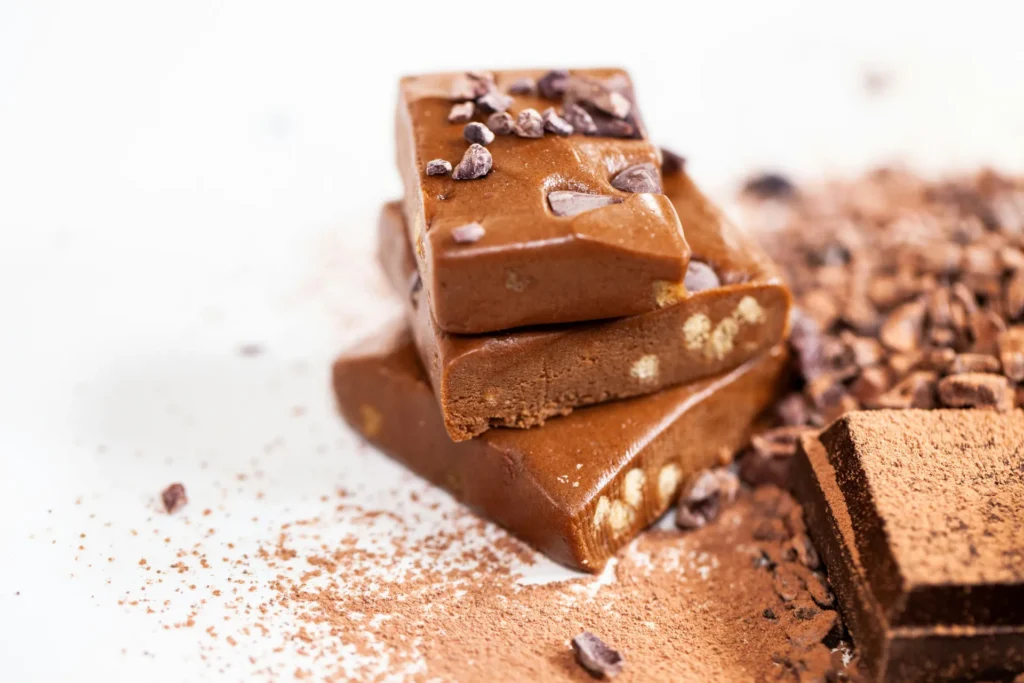
Protein bars are formulated to support muscle recovery, active lifestyles, or meal replacement. They typically include whey, soy, or plant-based proteins and may contain added fibers, vitamins, or minerals.
Benefits:
- High-protein content for functional nutrition
- Supports fitness, sports, and active consumers
- Customizable for dietary needs (low sugar, vegan, gluten-free)
Production involves precise ingredient dosing, mixing, forming, cutting, and often automated packaging systems to maintain product quality at scale.
Why Manufacturers Should Invest
Flapjacks and protein bars share many production requirements, making them ideal for flexible snack bar production lines:
- Multi-recipe capable mixing and forming systems
- Automated cutting and packaging for high-capacity production
- Consistent texture and quality for retail-ready products
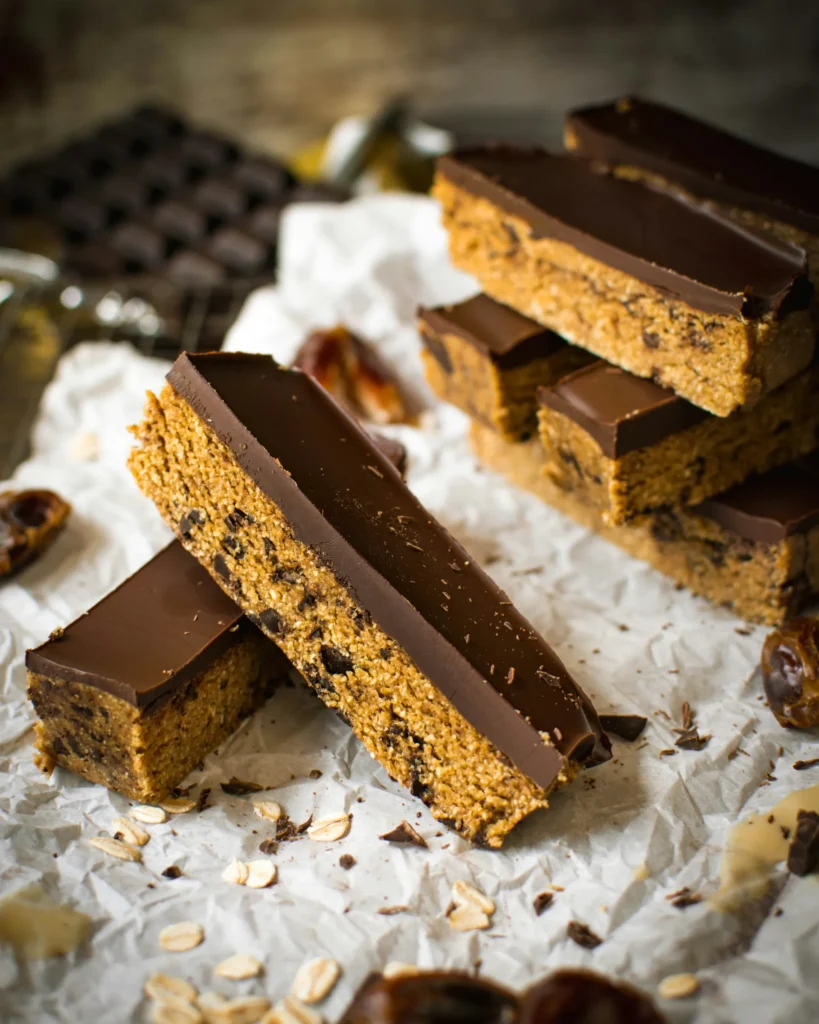
By producing both types of bars, manufacturers can cater to energy, healthy, and functional snack markets from a single production line.